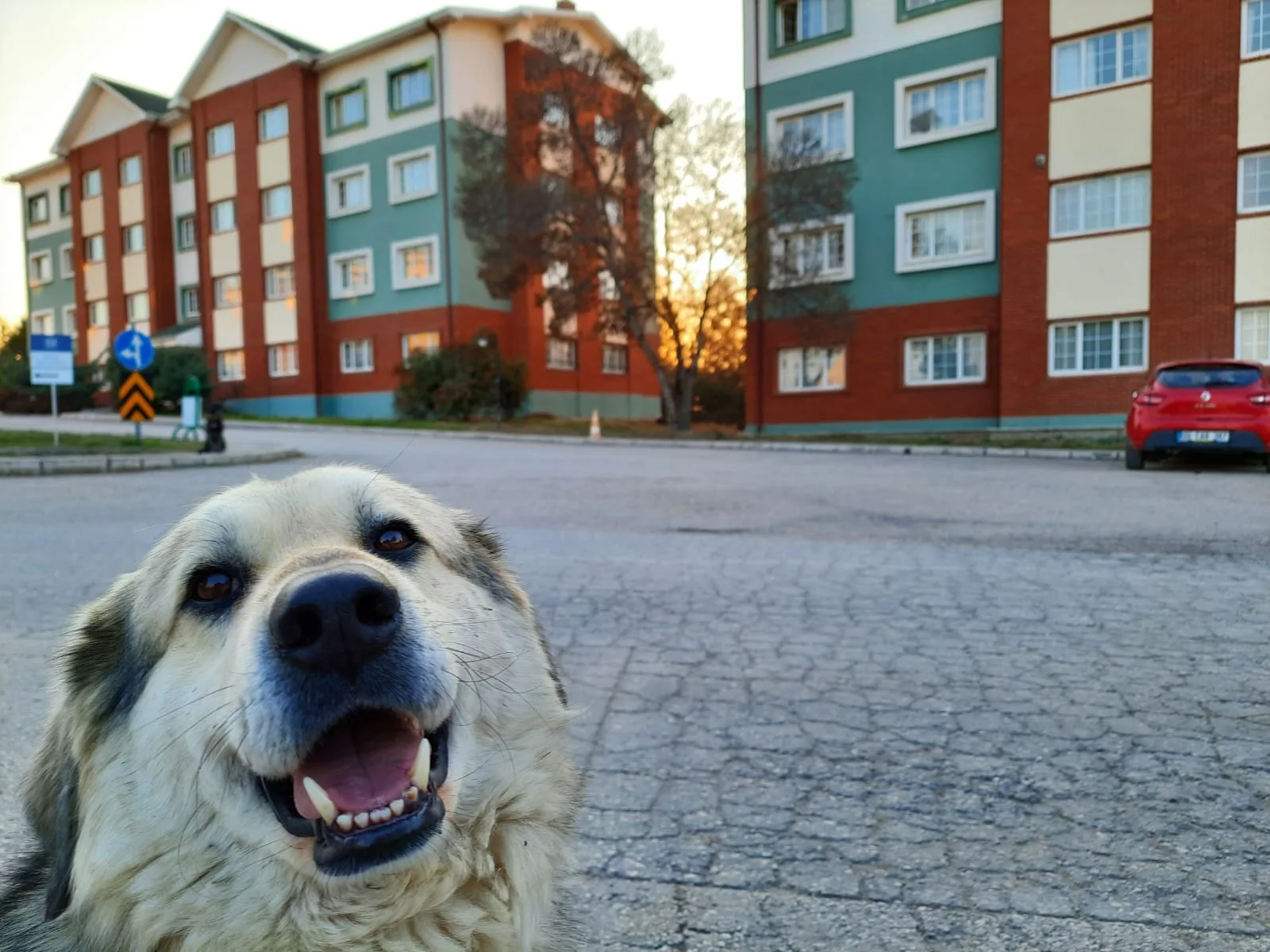
If you are thinking of adopting
Adopting is not just taking a dog home: the first day, food, the vet and training.
The first day, the first week, the first month
A newly arrived dog is not happy the moment it walks in. Roughly: three days of being wary and quiet, three weeks to learn the household, three months to feel that it belongs. It is a rough sketch, but it sets expectations in the right place.
The best thing to do on day one is nothing. No visitors, no outings, no constant petting. Give it water, a bed and a quiet corner, and let it choose when to come to you.
Start with a small area and open the house gradually. Build a routine: meals at the same time, walks at the same time. For a dog off the street, predictability is a need that comes before affection.
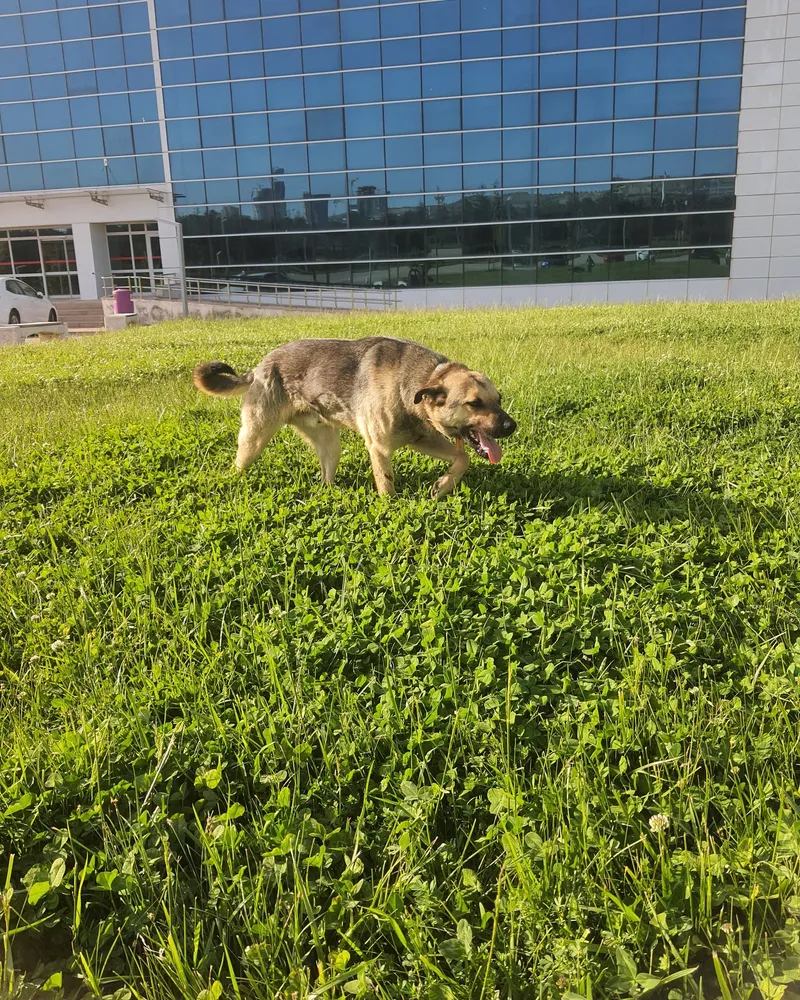
The basics
What follows is general information. Vaccination schedules, medication and treatment are decided by the vet who sees your dog; nothing here replaces that.
- What should I feed?
- A good-quality complete food suited to age and size is the practical answer. An adult dog eats twice a day, puppies more often. Water always available and clean. No table scraps: chocolate, grapes and raisins, onion and garlic, anything with xylitol, and alcohol are toxic to dogs. Cooked bones splinter and can injure the gut.
- Vaccines and parasites?
- Core vaccines, rabies, and internal/external parasite protection are basic care; intervals are set by a vet according to the dog’s age, history and where you live. Tick and flea protection matters year-round in Ankara, because ticks carry serious disease.
- Should I neuter?
- Yes. We expect the dogs we rehome to be neutered. There are health benefits, but the main reason is simple: puppies nobody can care for end up on the street, and these pages describe what happens there.
- How much walking?
- For a healthy adult, twice a day, one to two hours in total, is a good baseline. Sniffing matters more than distance: ten minutes of free sniffing tires and settles a dog more than half an hour of brisk walking. On hot days asphalt burns, hold the back of your hand on it for five seconds; if you cannot, neither can your dog.
- House training?
- A dog that lived outdoors is already used to going outside; most work it out in days. Take it out after meals, after sleeping and after play, and praise it the moment it gets it right. Do not punish accidents, the dog learns to hide, which makes everything harder.
- What works in training?
- Reward. Dogs learn from what pays off, not from punishment. Short sessions (five minutes), repeated often; one-word cues; everyone in the house using the same word. Shouting, rubbing a nose in it, or yanking a lead teaches fear, not behaviour.
- Can it be left alone?
- Yes, but it has to be taught. Start with a few minutes and build up; keep arrivals and departures undramatic. Constant barking, scratching at the door or self-harm when alone is anxiety, not stubbornness, and needs help.
- When should I go straight to the vet?
- Vomiting or diarrhoea with blood or that keeps repeating; no appetite for more than a day; difficulty breathing; a tight, swollen abdomen; swallowing something known to be toxic; collapse or a seizure; and any road accident, even if the dog looks fine. When in doubt, phone, asking costs nothing, arriving late does.
If you feel ready
Meet the dogs we are rehoming. Let’s talk about which one suits you, the right match matters more than good intentions.
More in this guide
Dog advice- When you find a dog in the streetLost, abandoned, or living there already? Stop and look first, let the dog come to you.Read
- How you can help street dogsNot every kind of help is taking a dog home: clean water, the right call, a safe feeding spot.Read
- When you come across puppiesPicking up a puppy you find alone is usually not a kindness. The mother is probably close by.Read
- When a dog is injured or illYour safety first, then the right phone call. A dog in pain may bite, and that is not its fault.Read
- If a dog goes for you, or bitesDo not run, do not shout, do not stare. If you are bitten, wash the wound and see a doctor without delay.Read