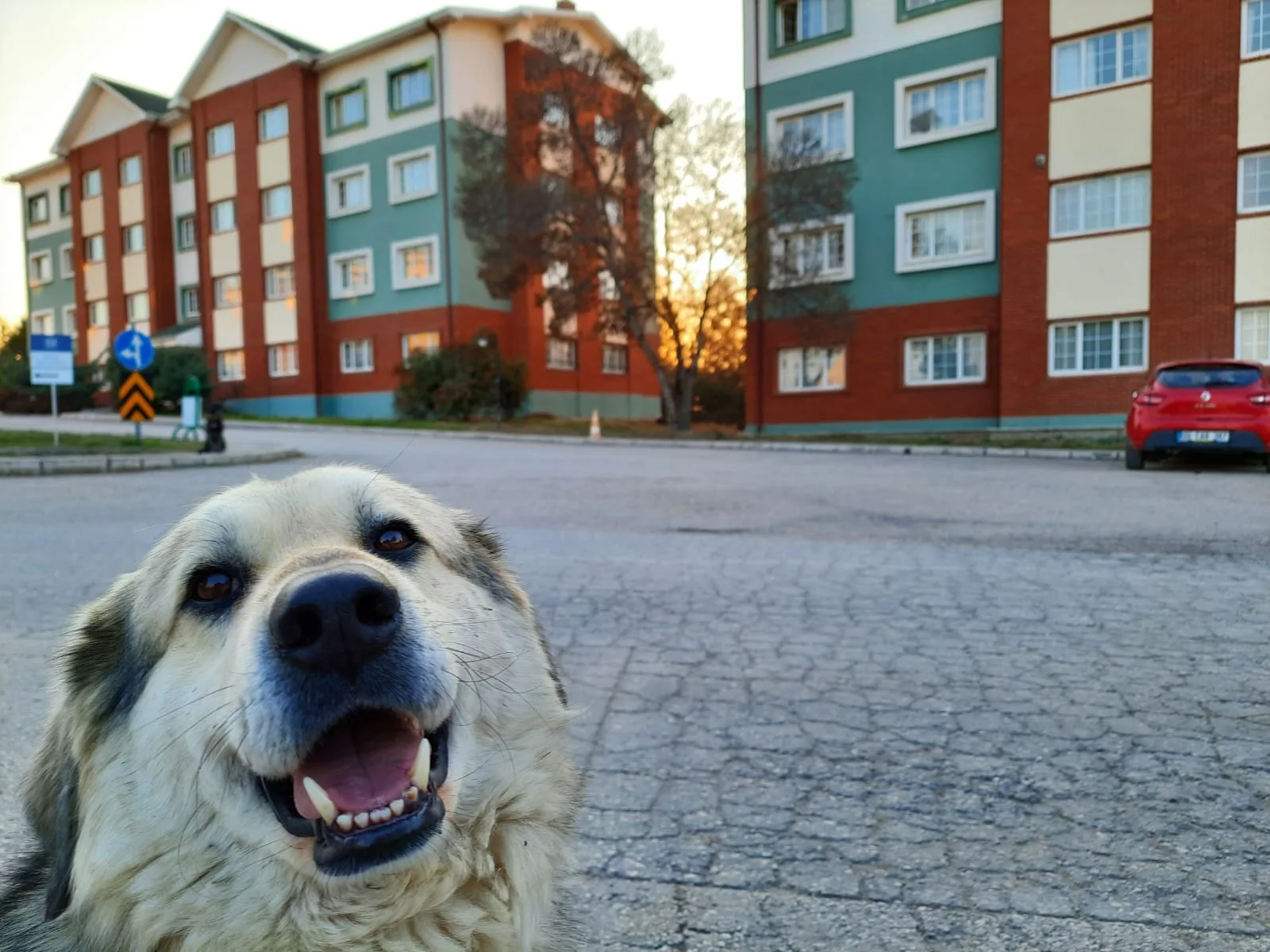
Dog advice
Knowing what to do when you meet a dog can change everything.
You have seen a dog living on the street. It came up to you and you are not sure what to do. You have found a puppy. It looks injured. A dog has bitten you. Or you are simply wondering, "how can I help this dog?"
At Haydok Patileri we have lived alongside street dogs for years. We feed them, get them treated, look for homes for them, and sometimes follow the same dog for days. Along the way we have learned not only about dogs, but about how people can meet them more safely and more sensibly.
That is exactly why we made this guide.
The aim here is not to give you complicated information. It is to answer, as clearly as we can, the question you will actually have: "what do I do now?"
Why we made this guide
Most of the messages we get are remarkably alike:
"I found a dog in the street, what should I do?"
"Can I go up to this dog?"
"I have seen the puppies but there is no mother around. What now?"
"A dog bit me, where should I go?"
"A dog is injured but will not let me near. How can I help?"
Most of these have no single answer, because every dog you meet on the street has a different history, a different character and different circumstances.
But knowing a few basic things keeps both you and the dog safer.
These pages gather what we have learned in the field over the years: where a vet is needed, when stepping in is the right thing, and why the best help is sometimes to step back a little.
Because helping a dog does not always mean touching it.
Try to understand the dog first
You cannot know in advance how a dog on the street will behave towards you.
A wagging tail does not necessarily mean it wants you closer. Backing away does not necessarily mean it will attack. A dog that is frightened, in pain, or has had bad experiences may react unexpectedly to protect itself.
So our first step is always the same: stop, watch, do not rush.
Look at the dog’s body language, at where it is, and at how it responds to you. Before you approach, try to work out whether it actually needs help.
What you will find in this guide
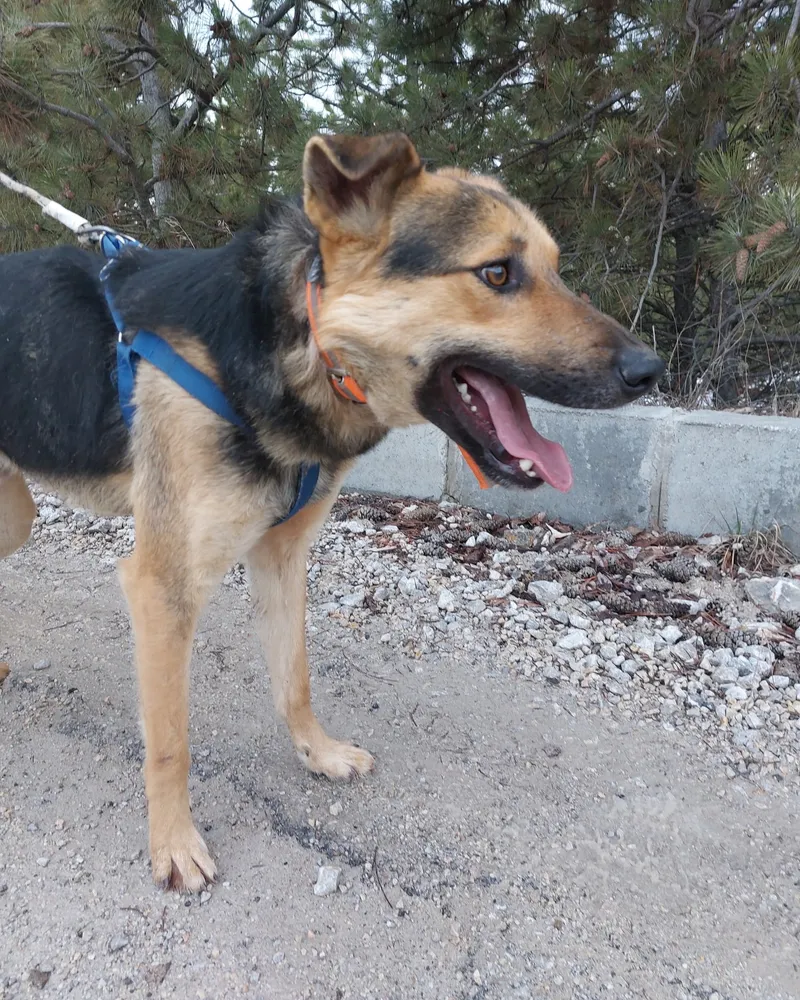
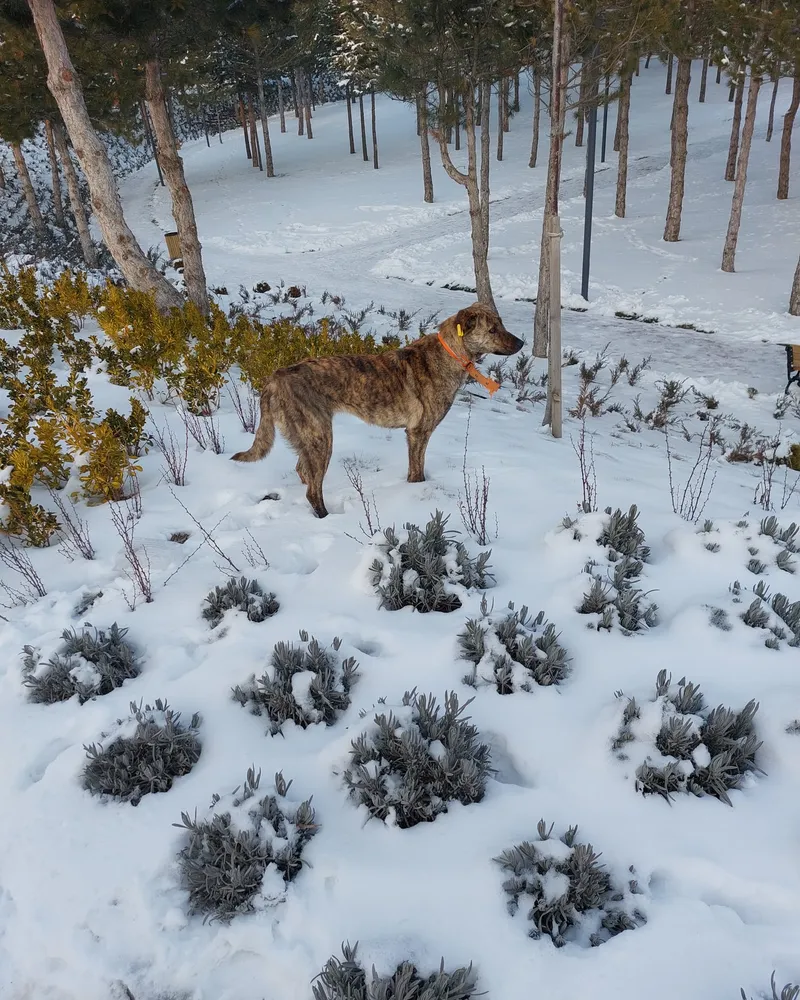
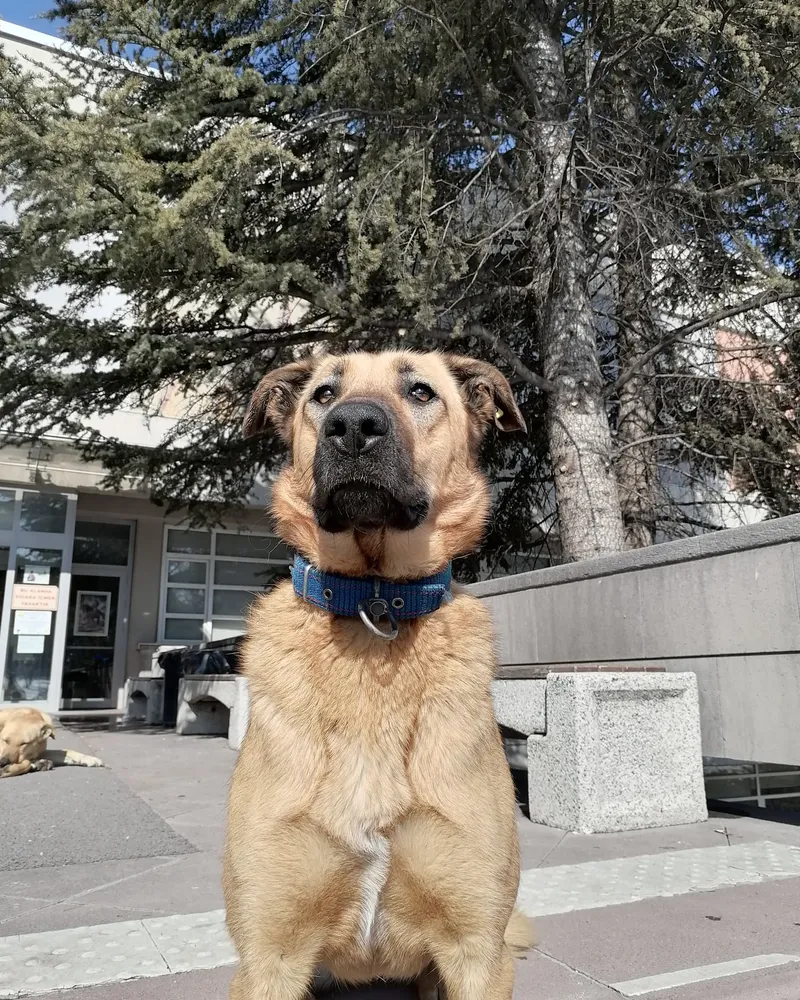
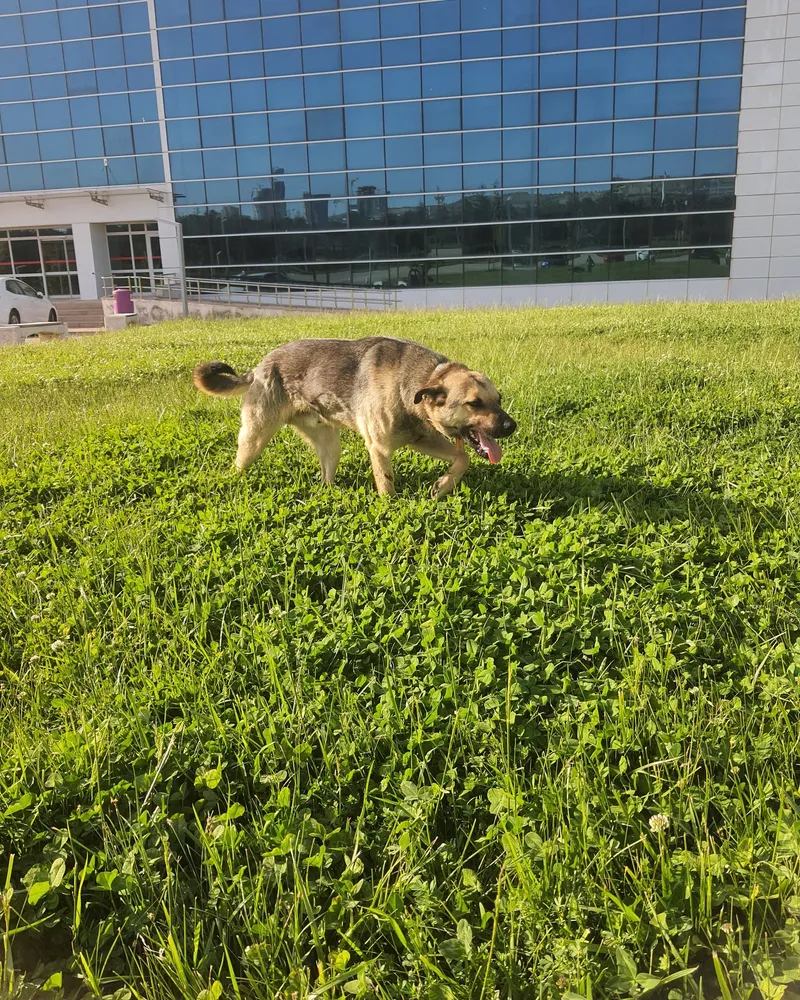
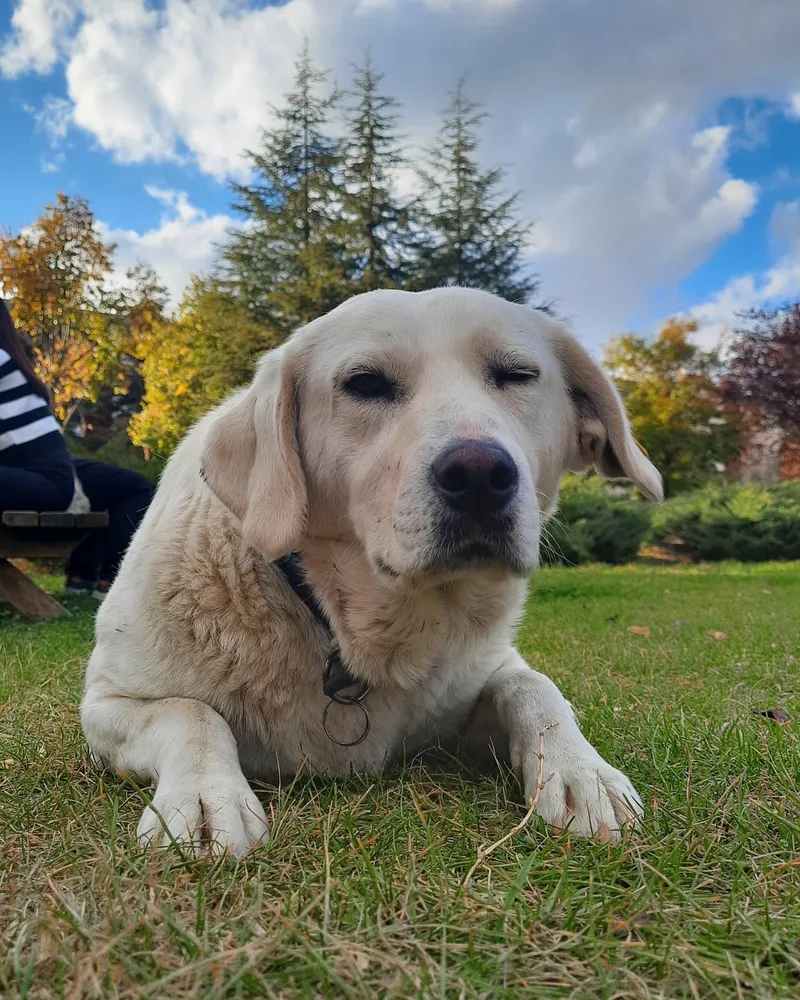
If you are not sure, do not rush.
When you want to help a dog, your good intentions are already the most important part of the start.
But when the dog looks frightened, injured or aggressive, think about your own safety first. Do not try to hold it down, corner it, or scoop it up unprepared.
Sometimes stepping back and asking the right person for help is the best thing you can do.
That is exactly what this guide is for: so that when a dog turns up in front of you, you know a little better what to do.
Because the right information makes life easier for people and for dogs alike.
Didn’t find what you needed?
Write to us. If we do not know, we will say so and point you to someone who does.
In this section
- When you find a dog in the streetLost, abandoned, or living there already? Stop and look first, let the dog come to you.Read
- How you can help street dogsNot every kind of help is taking a dog home: clean water, the right call, a safe feeding spot.Read
- If you are thinking of adoptingAdopting is not just taking a dog home: the first day, food, the vet and training.Read
- When you come across puppiesPicking up a puppy you find alone is usually not a kindness. The mother is probably close by.Read
- When a dog is injured or illYour safety first, then the right phone call. A dog in pain may bite, and that is not its fault.Read
- If a dog goes for you, or bitesDo not run, do not shout, do not stare. If you are bitten, wash the wound and see a doctor without delay.Read