How you can help street dogs
Not every kind of help is taking a dog home: clean water, the right call, a safe feeding spot.
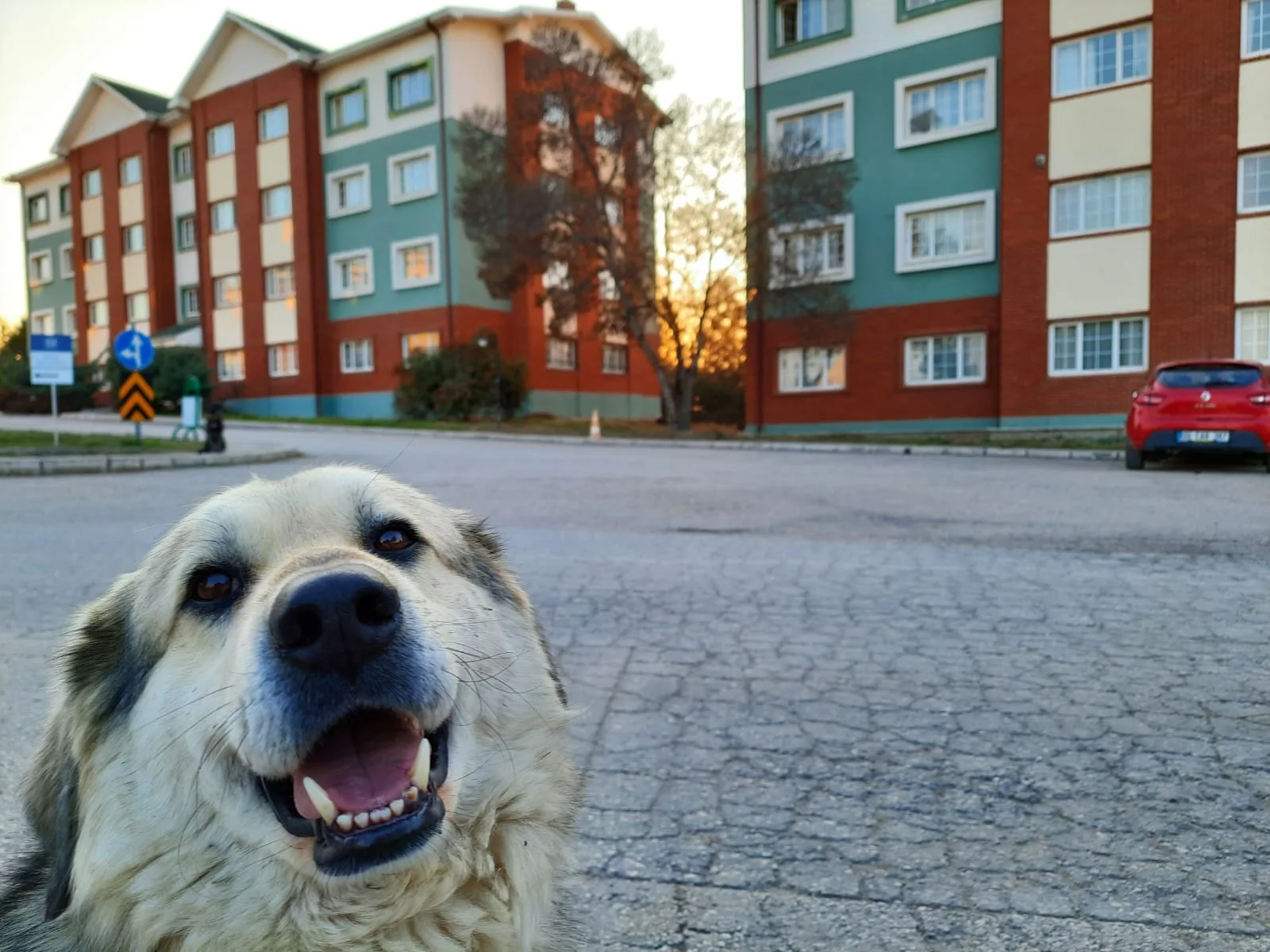
A street dog’s day
A street dog’s world is a few streets wide. It knows that area: which door food comes out of, which car sounds its horn, which child is kind, which dog will not let it pass.
It sleeps through most of the day; the busy hours are early morning and late evening. Within a group there is an order to everything, down to who sleeps where.
The dogs we knew at Beytepe lived exactly like this. The campus was their neighbourhood, the front of the canteen, the road to the halls, the library steps were all on their map. What was demolished on the morning of 21 July 2026 was not only an enclosure. It was that map.
What kills them out there
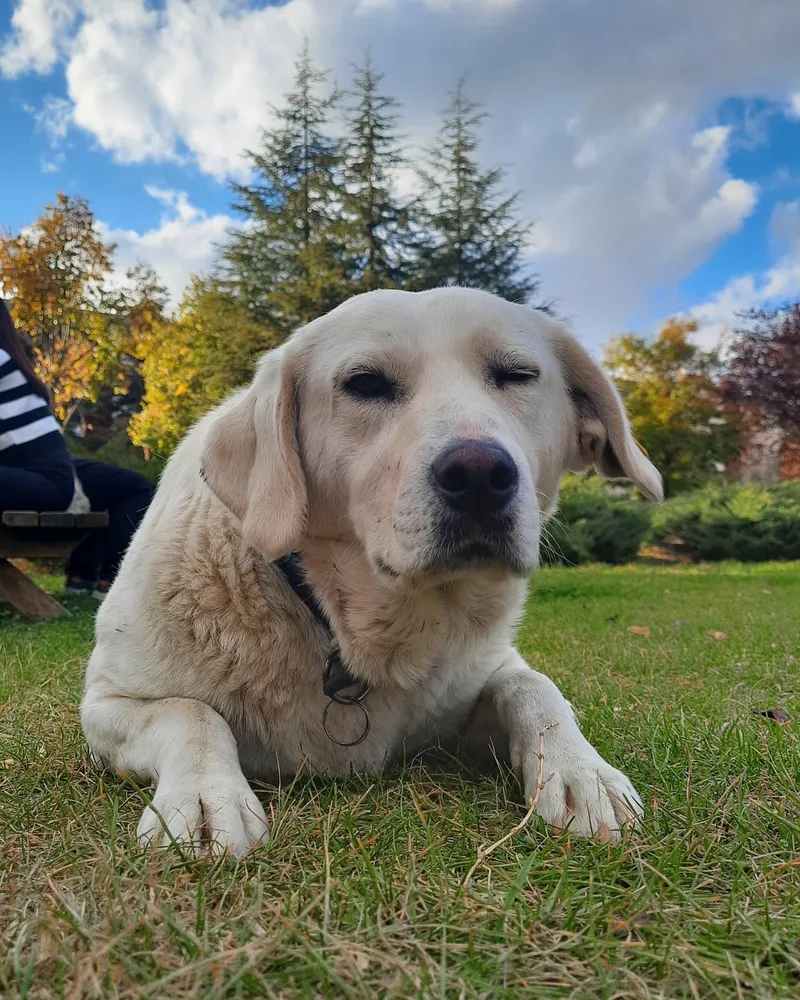
Traffic. Most street dogs that die are hit by a vehicle, and most of it happens at night.
Infectious disease. For an unvaccinated puppy, parvovirus and distemper are often fatal, and they move through a group fast.
Winter, and water. Cold and wet can finish a dog in a few nights. In summer the harder problem is not shade but clean water.
Poisoning and deliberate cruelty. There is no gentle way to write this: some dogs do not die of illness. They are killed.
And an unneutered population. Every litter nobody can care for re-enters the list above a few months later. Neutering is the only intervention that genuinely reduces suffering on the street.
If you actually want to help
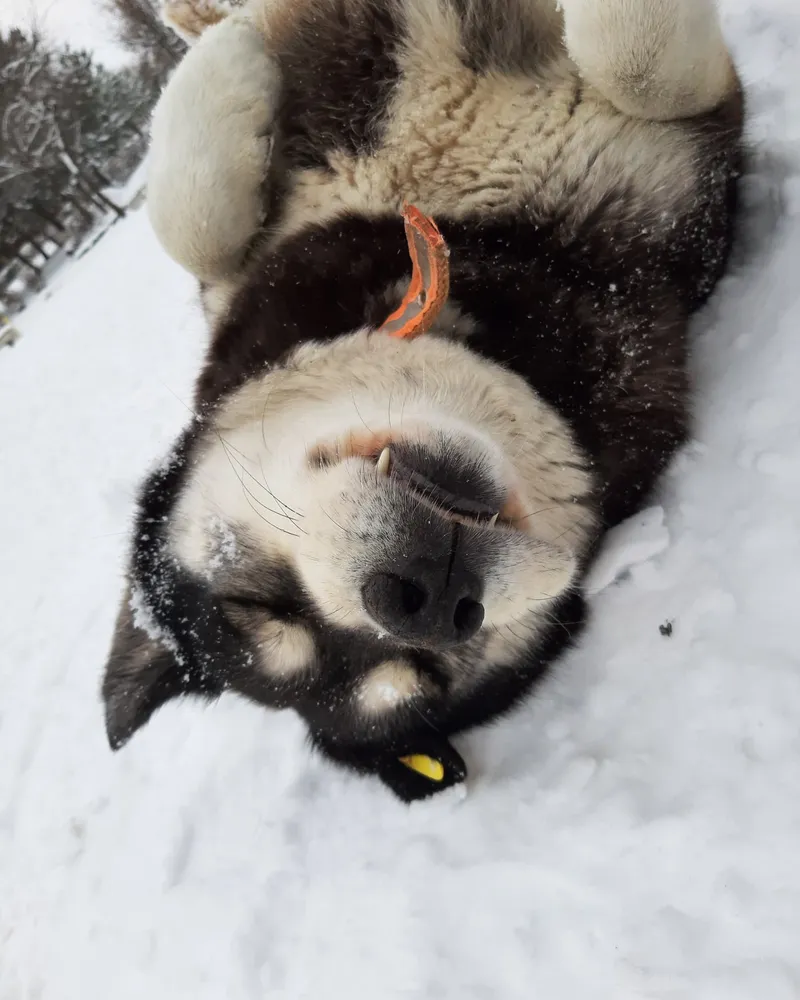
Good intentions sometimes do harm. These are the things that actually work:
This helps
- Put clean water in a fixed spot and refresh it daily, it matters more than food.
- Leave food in a corner where the dog can eat safely, not at the roadside.
- In winter, build a windproof shelter from thick card, insulation board or a kennel.
- Ask your municipality’s veterinary unit to neuter the dogs on your street, and keep following it up.
- Leave puppies with their mother; if help is needed, feed them where they are.
- When you see an injured or sick animal, share a photo and the location, most rescues start that way.
This can harm
- No chocolate, onion, bones (especially cooked chicken bones), or salty, spiced leftovers.
- Do not build a routine and then disappear; a broken routine is harder on a dog than hunger.
- Do not put a tight collar on a dog living outdoors.
- Do not take puppies from their mother in order to “rescue” them.
- Do not adopt on a wave of feeling. A dog returned to the street after a few months is worse off than one never taken.
What people ask us most
- Why don’t you just take them all in?
- Because caring for a dog does not end with getting it off the street. Boarding, food, vaccines, treatment, surgery, all of it costs, and the total is far beyond what we can carry. The only real solution we have is to find each of them a home.
- Why does neutering matter so much?
- Because it is the single intervention that prevents the most suffering. Every litter nobody can care for is exposed to traffic, disease and hunger within months. It also reduces roaming and fighting, and lowers the risk of several reproductive cancers.
- Is adopting a street dog difficult?
- Easier than people expect. A dog raised outdoors is usually robust, reads people well, and settles into a household surprisingly fast. The first few weeks are the hard part, and we go through those with you.
You can end one dog’s time on the street
Every dog we are rehoming once lived the life this page describes.
More in this guide
Dog advice- When you find a dog in the streetLost, abandoned, or living there already? Stop and look first, let the dog come to you.Read
- If you are thinking of adoptingAdopting is not just taking a dog home: the first day, food, the vet and training.Read
- When you come across puppiesPicking up a puppy you find alone is usually not a kindness. The mother is probably close by.Read
- When a dog is injured or illYour safety first, then the right phone call. A dog in pain may bite, and that is not its fault.Read
- If a dog goes for you, or bitesDo not run, do not shout, do not stare. If you are bitten, wash the wound and see a doctor without delay.Read